FOOD REBORN Co., Ltd. aims to build a sustainable society by harnessing underutilized agricultural resources. The company’s patented technology extracts fibers from pineapple leaves and banana stems, and its energy-conversion solutions transform agricultural waste into renewable energy. Guided by the belief that acting beyond our own generation, toward the happiness of future generation, ultimately enriches our own lives, FOOD REBORN pursues its vision of “achieving a recycling-oriented society without waste” through activities in Japan and overseas.
About the background of participation in this project
In 2022, an industry-academia collaboration with a university in Taiwan catalyzed expansion into Indonesia, one of the world’s leading pineapple-producing countries. In 2023, FOOD REBORN established a fiber-extraction training center in Malang, and in 2024 began operations in the Kediri region, working with local partners to accelerate pineapple fiber production and processing while contributing to regional economic revitalization.
Seeking to further expand into Jakarta, the company applied to King Salmon Project. Given the multifaceted nature of its business, spanning fiber, energy, and circular waste management, FOOD REBORN recognized that successful market entry hinges on strong networks with local authorities and enterprises, as well as a clear understanding of regulations and compliance. Participation in a collaborative program between the Tokyo Metropolitan Government and DKI Jakarta offers the credibility and access needed to build these networks more efficiently and advance the business with confidence.
About the achievements through participating in King Salmon Project
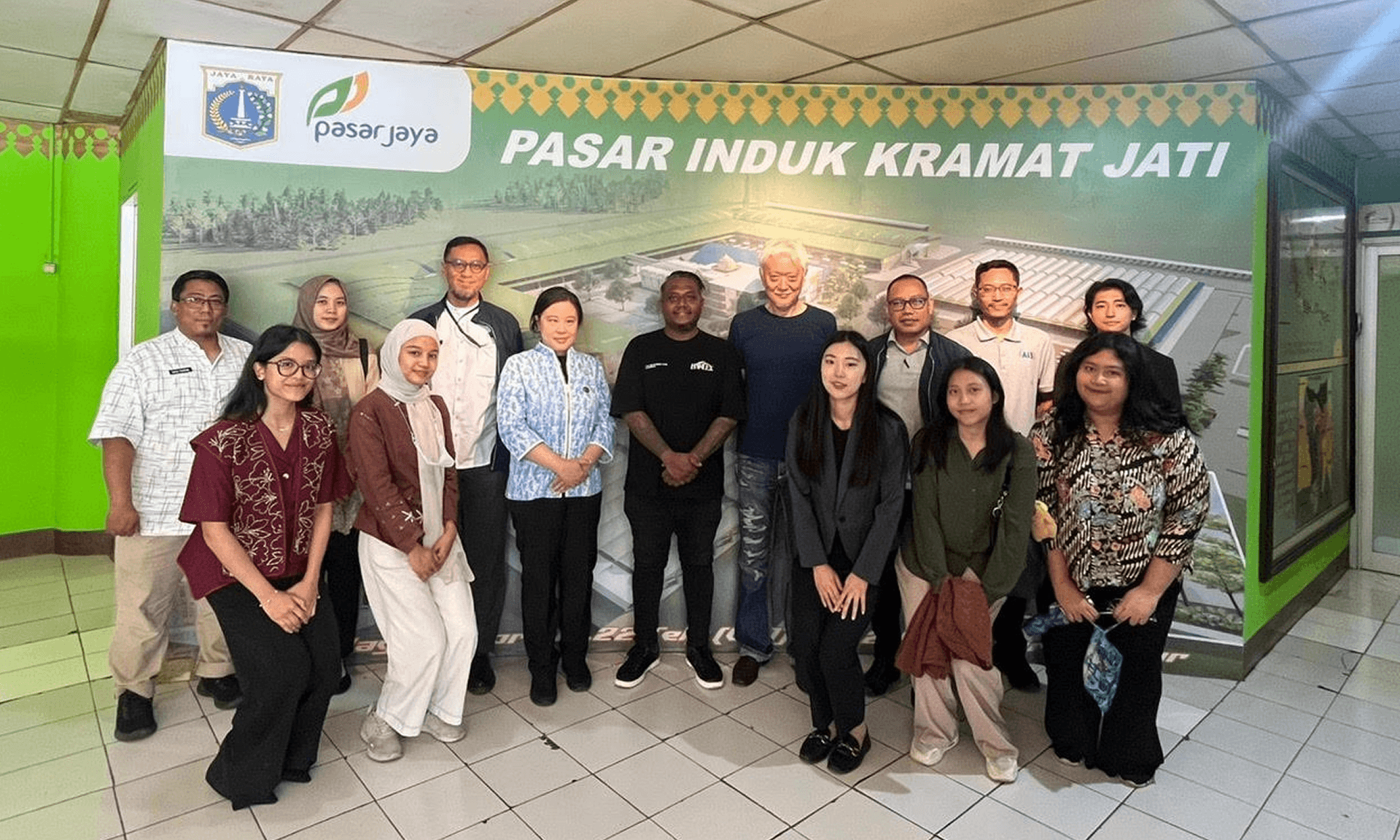
Through the program, FOOD REBORN gained insights into Jakarta’s waste management and the adoption of renewable energy. Collaboration with Pasar Jaya (Jakarta’s market authority) and municipal counterparts revealed the substantial waste volumes handled by the city’s markets, mounting pressure on final disposal sites, and the low share of renewable energy in the overall supply. These findings directly informed the design of the company’s PoC initiatives and provided actionable guidance for introducing circular business models to address urban challenges.
About the prospective business expansion
To support expansion in Jakarta, FOOD REBORN is targeting key segments, including generators of organic waste, waste-management operators, and sellers of upcycled products. The company has arranged broad stakeholder meetings spanning large plantations, agricultural cooperatives, and fashion-related businesses to assess collaboration opportunities.
Discussions with agricultural cooperatives are already underway to build a waste-collection scheme aligned with smallholder support programs and to develop rural revitalization initiatives powered by FOOD REBORN’s technology. In parallel, the company is engaging fashion industry stakeholder, including those involved in Jakarta Fashion Week, to co-develop apparel using fibers derived from agricultural waste and to explore joint go-to-market strategies for these products.