
PoC for Jakarta
FOOD REBORN Co., Ltd.
Theme / Urban Challenge
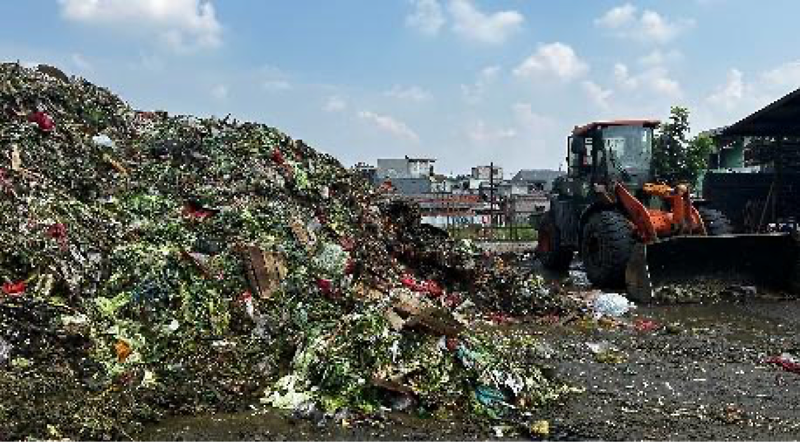
Waste Management
Jakarta generates approximately 7,200-7,700 tons of waste per day. With final disposal sites under mounting pressure, the city is seeking for circular resource models.
Lack of Renewable Energy
The share of renewable energy in the overall energy supply remains low in Jakarta, highlighting the need to utilize waste as an alternative energy source.
Overview
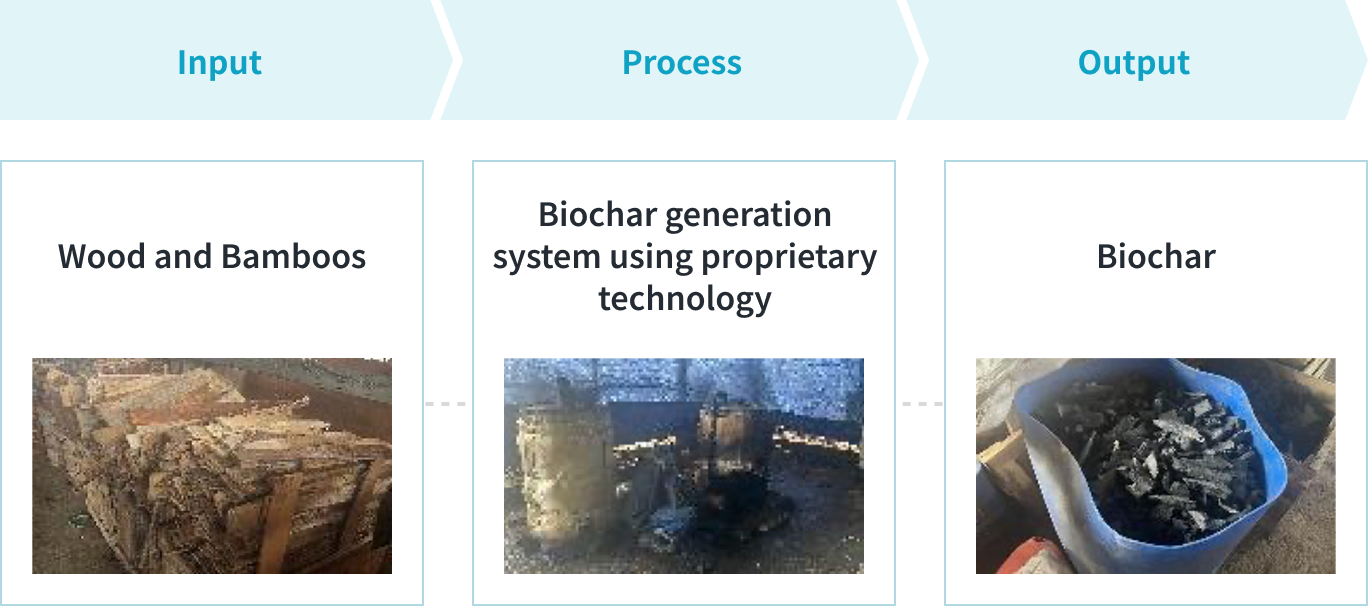
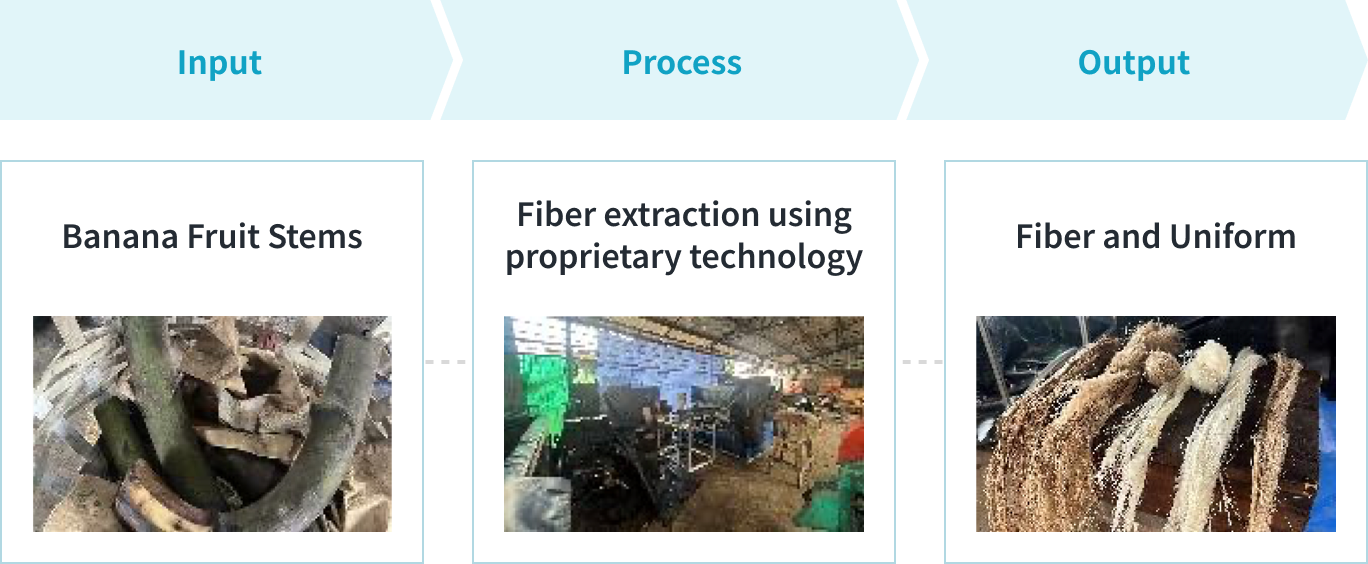
FOOD REBORN Co., Ltd. recycles organic waste through a complementary set of solutions, methane fermentation, biochar generation, and fiber extraction, while assessing the feasibility of introducing circular business models in Jakarta.
At Pasar Induk Kramat Jati in the Jakarta Special Capital Region, the company collected organic waste from the market, assembled and installed recycling equipment adjacent to the market’s waste management area, and conducted a proof-of-concept to validate the approach.
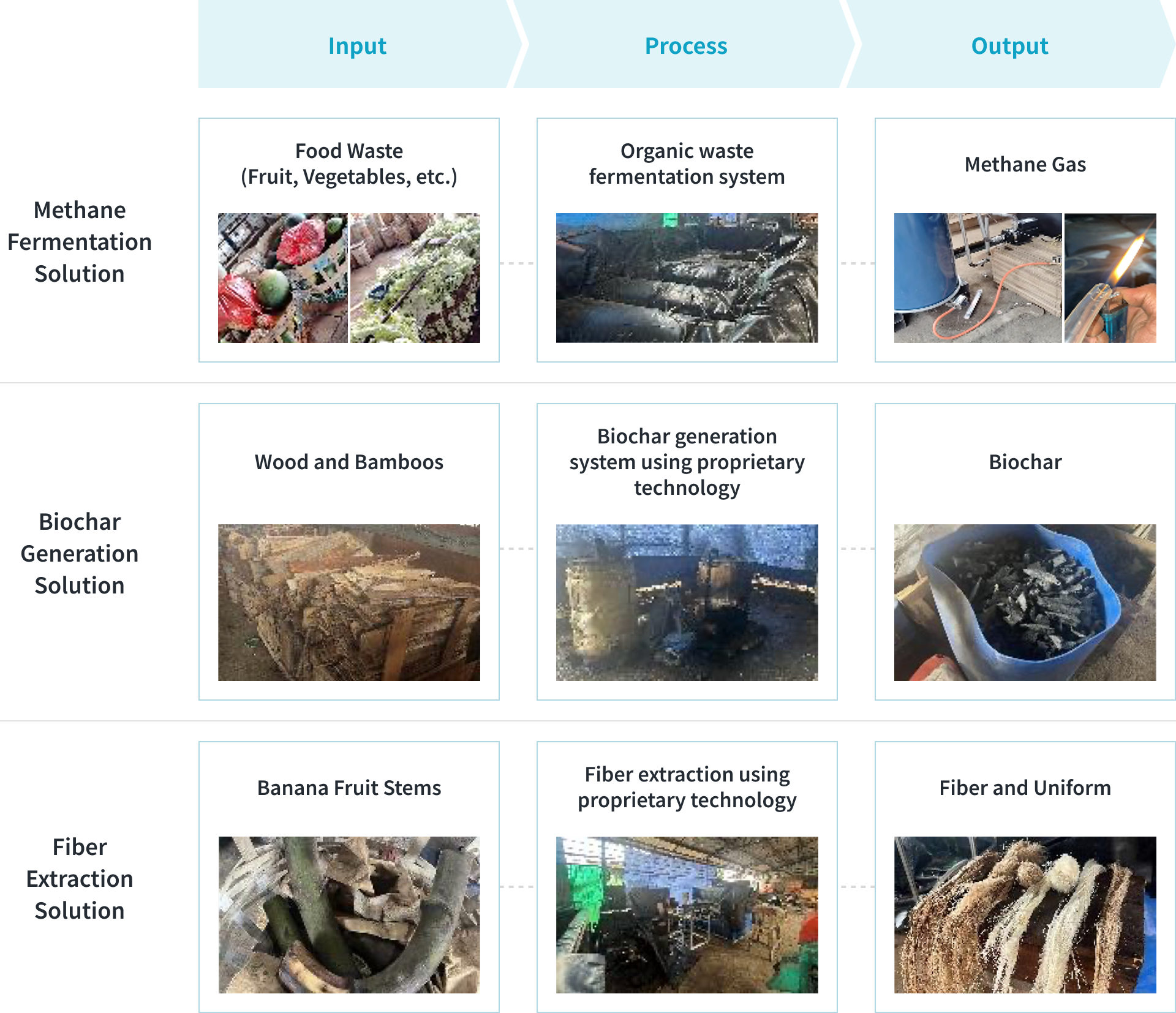
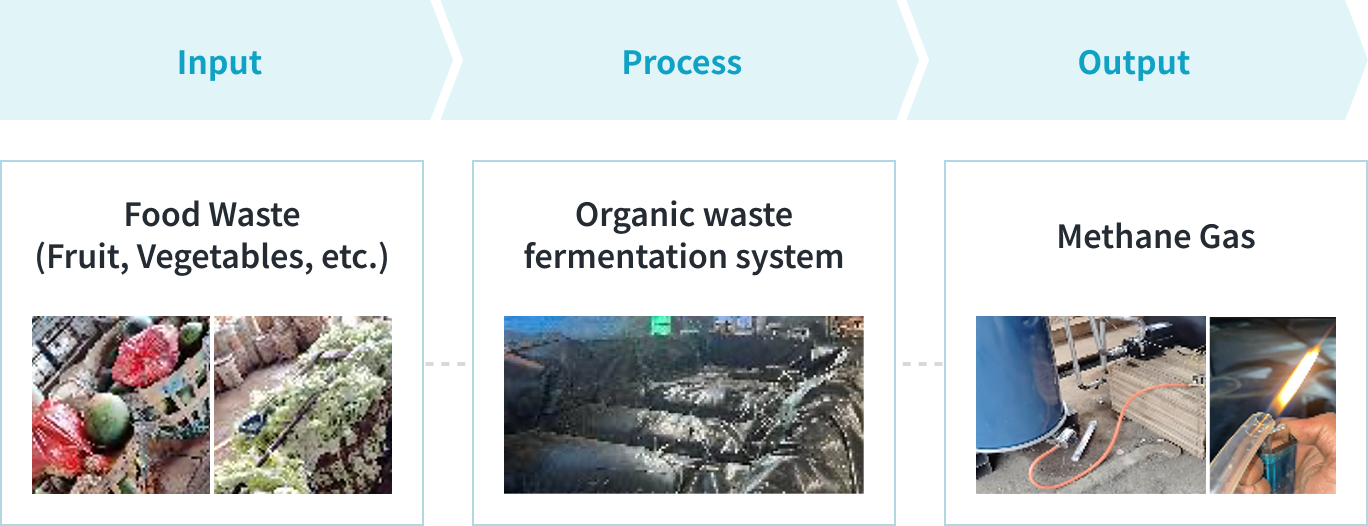
メMethane Fermentation Solution
Biochar Generation Solution
Fiber Extraction Solution
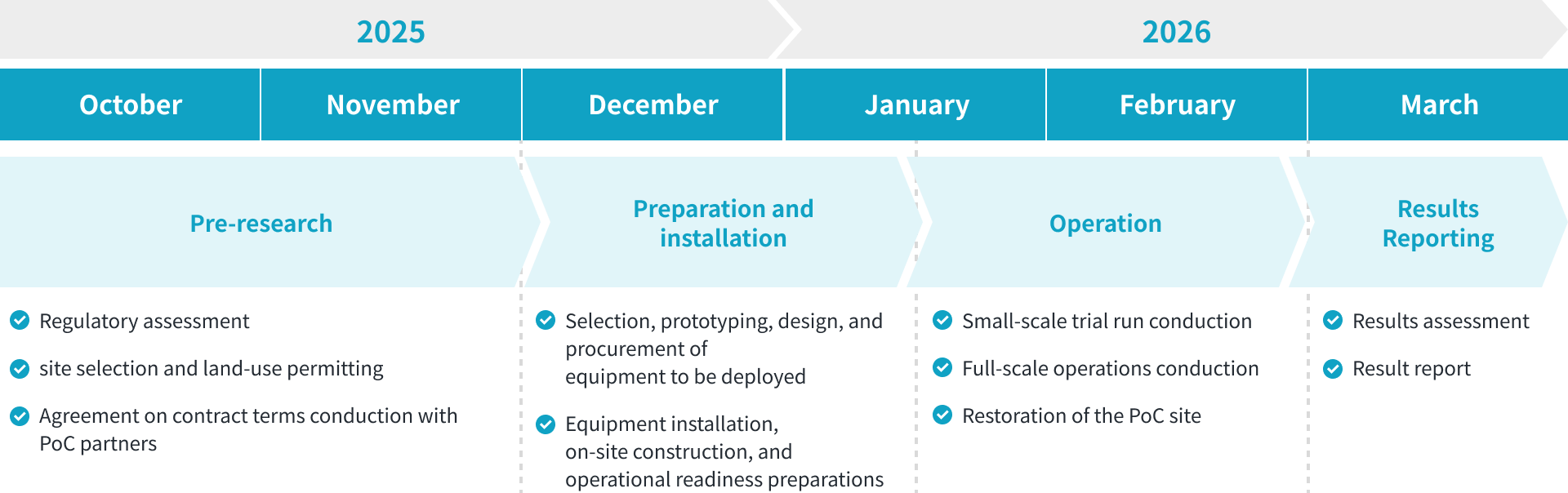
PoC Schedule
PoC Progress
Pre-research
- As part of King Salmon Project’s delegation program, FOOD REBORN Co., Ltd. visited Pasar Induk Kramat Jati in the Jakarta Special Capital Region and discussed the proposed solution with market representatives, reaching an agreement to collaborate. In subsequent consultations with officials from DKI Jakarta and the market, the team conducted a regulatory review related to equipment operations and obtained land-use permission. In parallel, the company established a local implementation framework in collaboration with local companies.
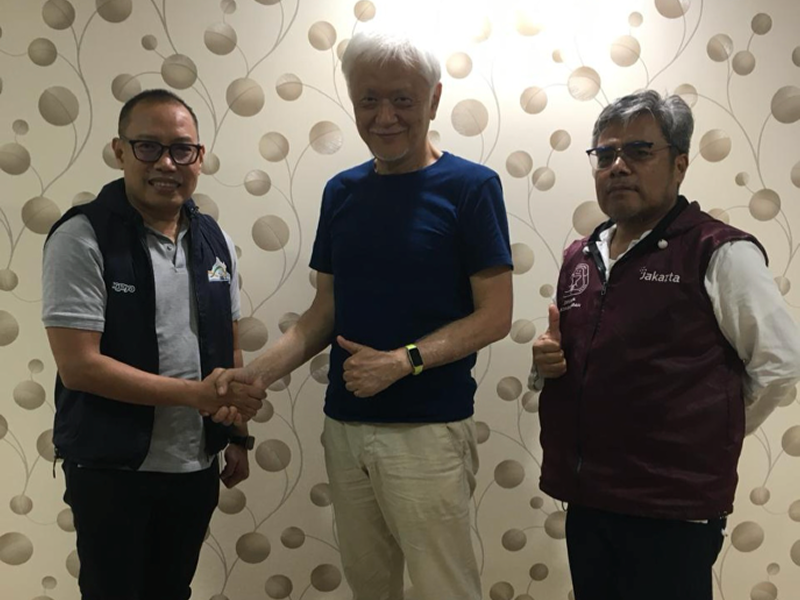
Partnership Agreement
Right: Representative, Jakarta Environmental Agenc
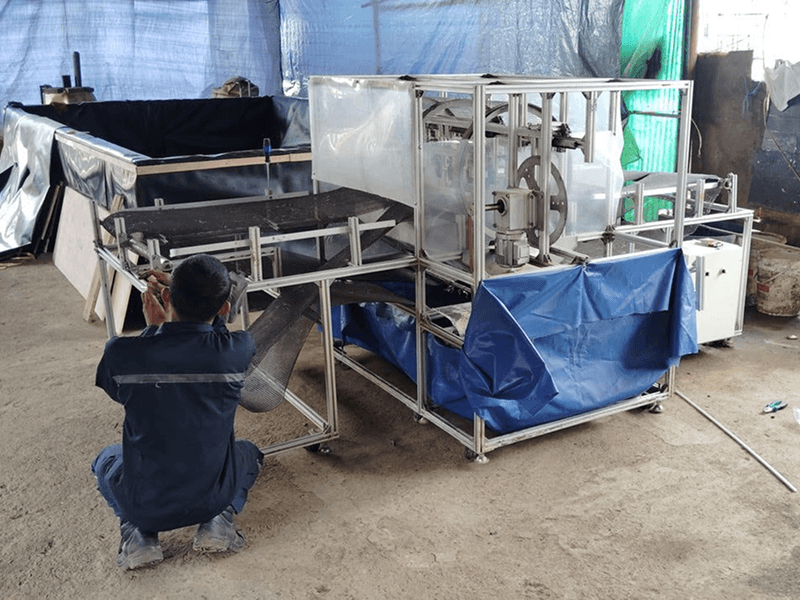
Equipment Assembly
Preparation and installation
- The company procured the necessary materials and equipment, designed the layout, and installed the pilot system at a location adjacent to the market’s waste management area. Working with local firms, the team secured operational staff and completed the installation along with the required on-site works.
Operation
- The team conducted a one-week small-scale trial run to check for malfunctions and collect initial data after installation. Full operation was then implemented, processing waste through methane fermentation, fiber extraction, and biochar generation. Throughout operations, the team verified the waste-processing capacity and assessed the yields and quality of the fibers, methane, and biochar.
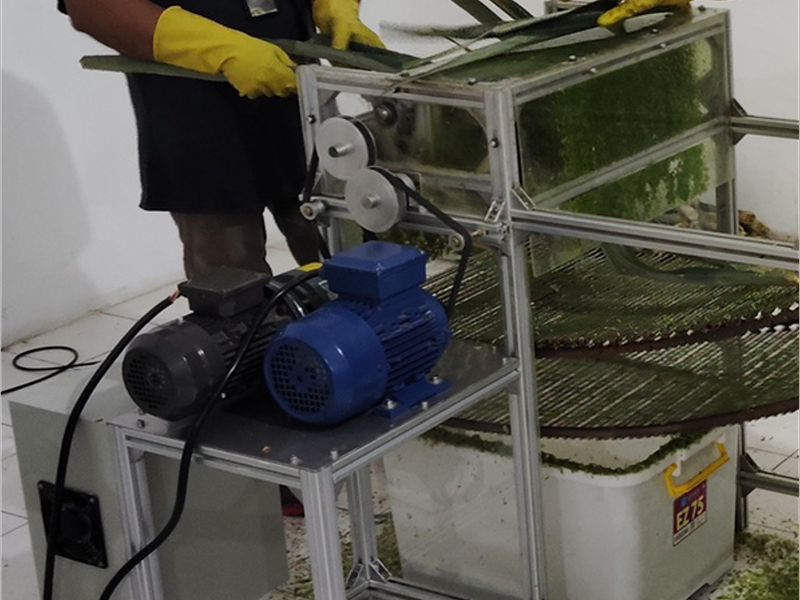
Operations
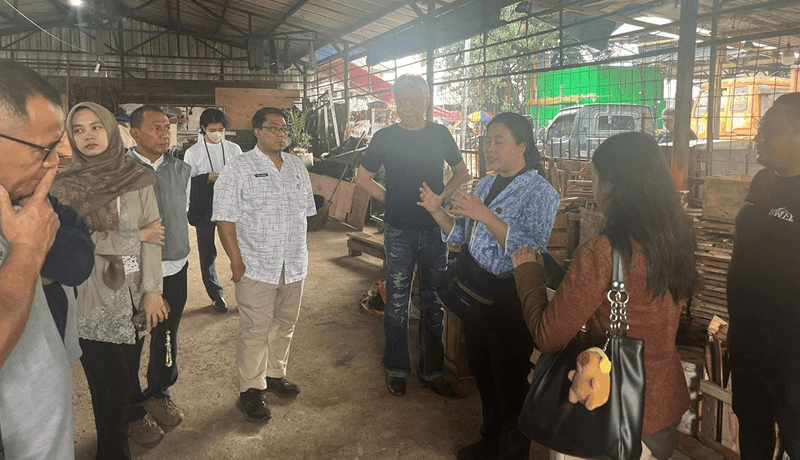
Result Reporting and Site Visit
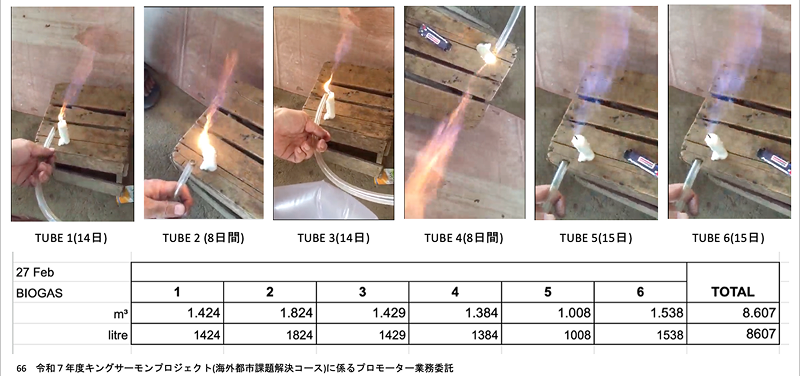
Impact Analysis
Results Reporting
-
During the operating period, the company hosted site visits for officials from the DKI Jakarta and the market to review the PoC setup and progress.
Upon completion of testing, the team decommissioned the equipment, restored the site to its original condition, The team compiled the verification results, reported them to stakeholders from the DKI Jakarta and the market.